These are paintings I made while still working in the Biotech sector. These images emerged from conversations in the lab and from inner and outer conflicts.
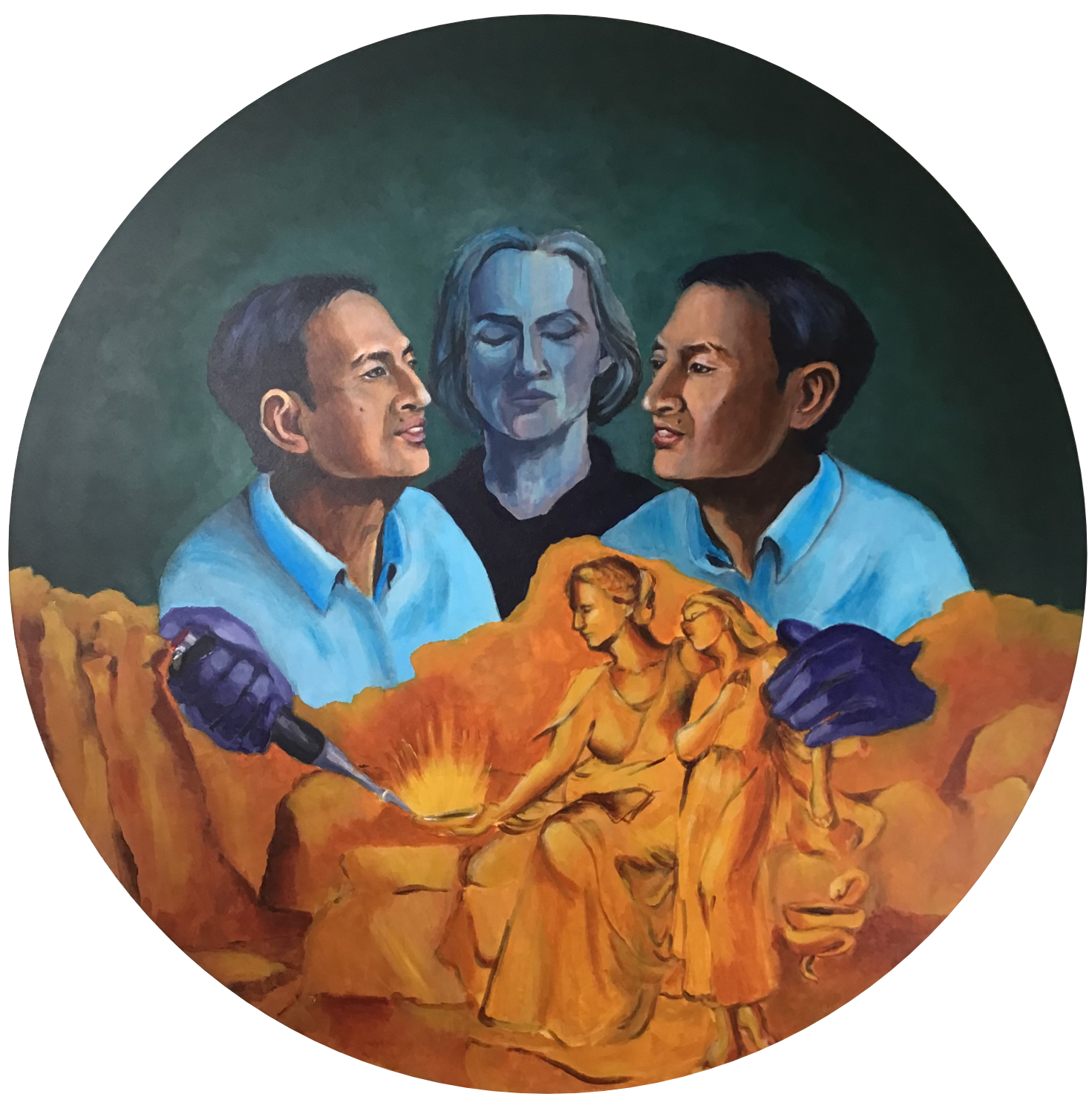
Lulu and Nana
80 cms diameter | Acrylic on Canvas
What motivates Scientists to develop new drugs and new cures? In 2018 He Jiankui announced the birth of the first genetically modified twins, Lulu and Nana, on the Internet. Using CRISPR Cas9, he claimed to have altered two human embryos to be resistant to HIV infection. Immediately many scientists worldwide denounced He for using a technology that was not yet free of risks and experimenting with the lives of these twins. Many of these scientists have since developed the technology further and formed lucrative companies to profit from it. Most scientists remain open to the conversation on regulating the use of CRISPR in human health. However, they never question the profit motive that restricts the use of these technologies. What happened to Lulu and Nana remains unknown, just like any visual reference to them in this image.
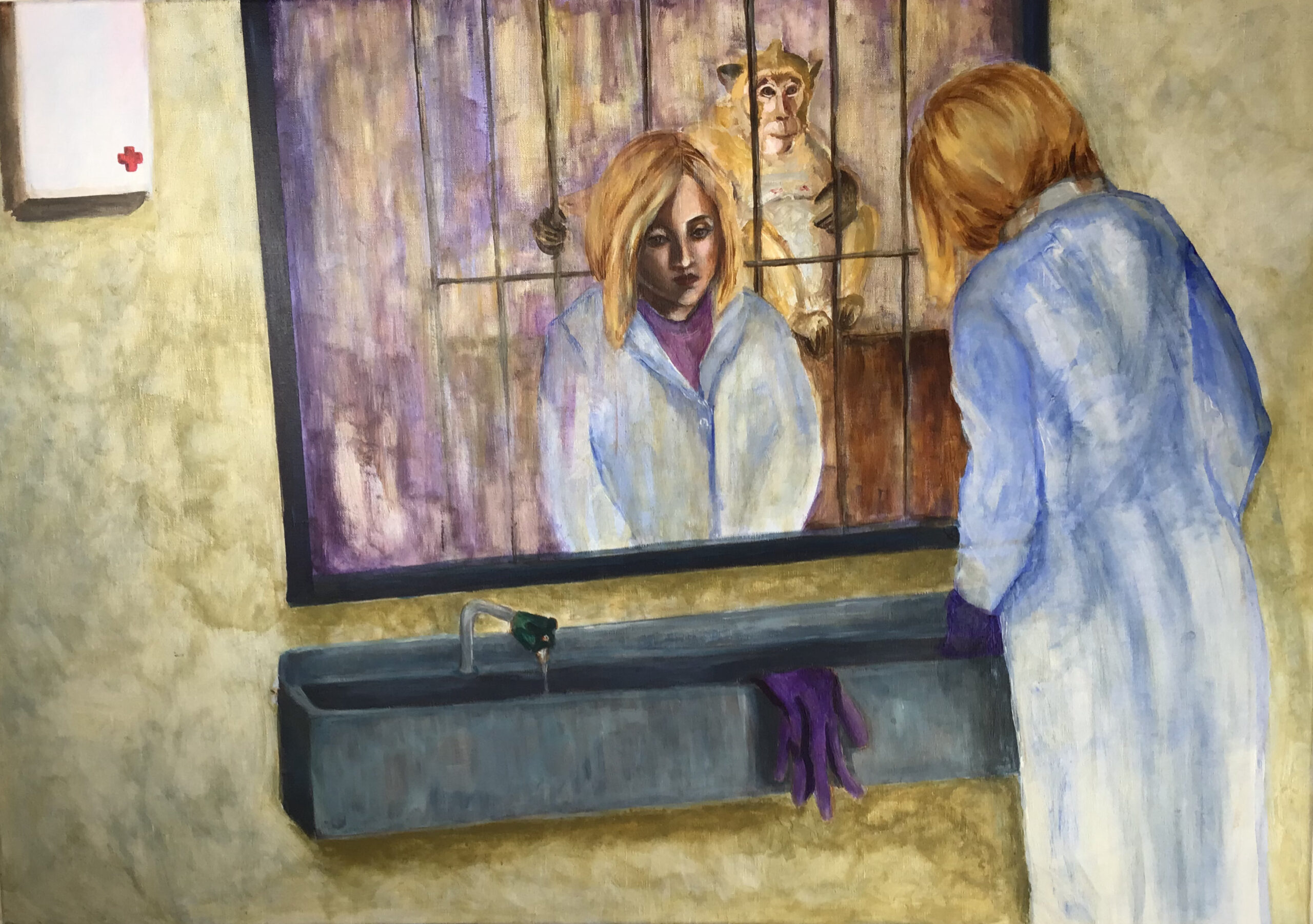
Distant Relatives
100 X 70 cms| Acrylic on Canvas
Animal testing is a dilemma that many scientists in the biomedical field face. I imagine a daily encounter between a lab worker and a Crab-eating macaque or cynomolgus monkey on this canvas. Crab-eating macaques, to their detriment, are similar to humans and are often used to test the toxicity of new drugs. How do we reconcile using sentient creatures as invaluable tools for drug discovery?
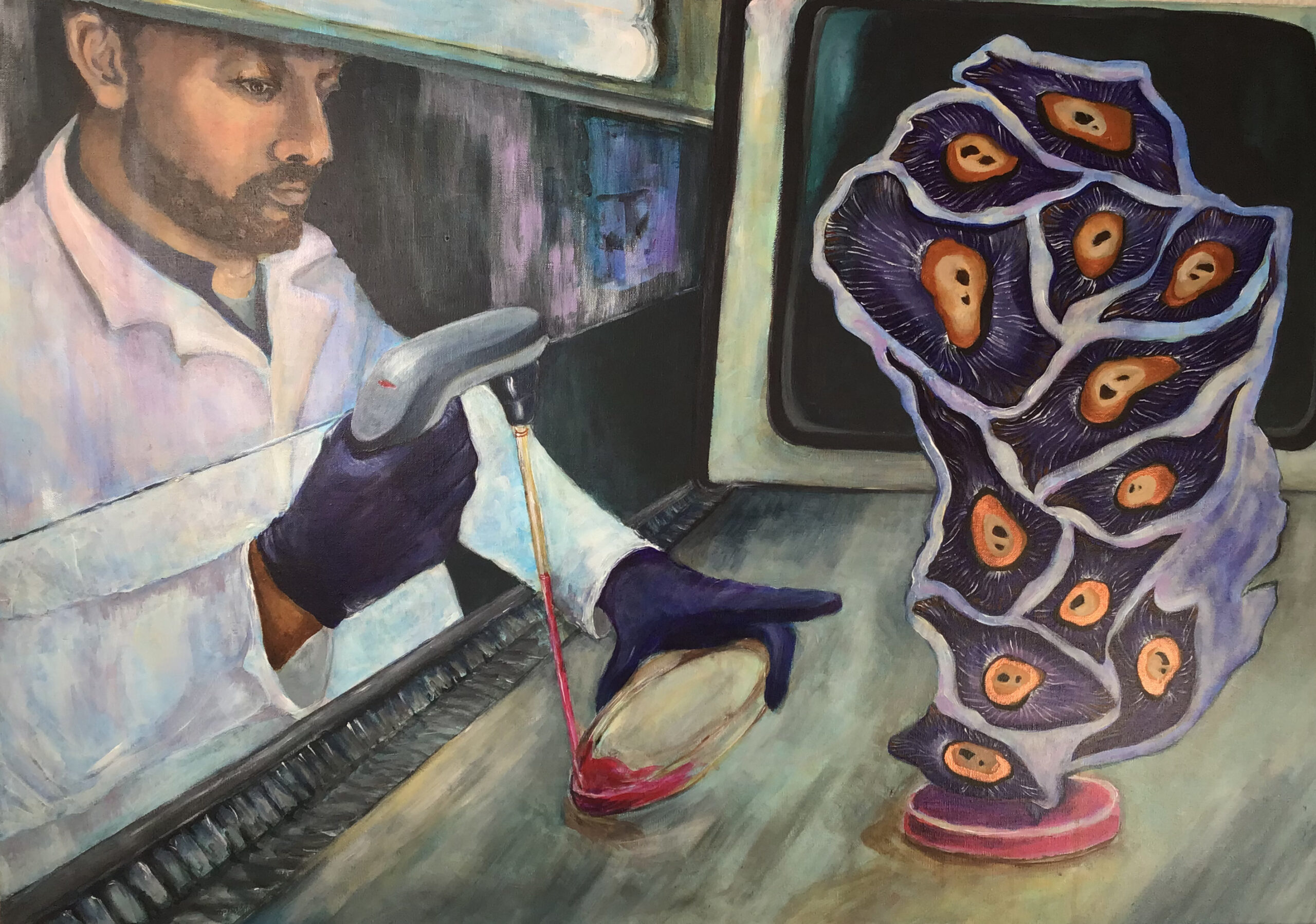
To touch living fragments of dead people
100 X 70 cms | Acrylic on Canvas
Many scientists in the lab grow and care for human cells daily. Working with these cells has been the foundation of many discoveries. Some of these cells are from cancers and continue to grow and outlive the humans they originate from, some of whom they may have killed. Some cells, like their human wholes, albeit isolated in a dish, live for a while, then age and die. How do scientists view these cells stripped of their personhood? Just as raw materials for the next experiment or symbols of the human condition in a Petri dish?
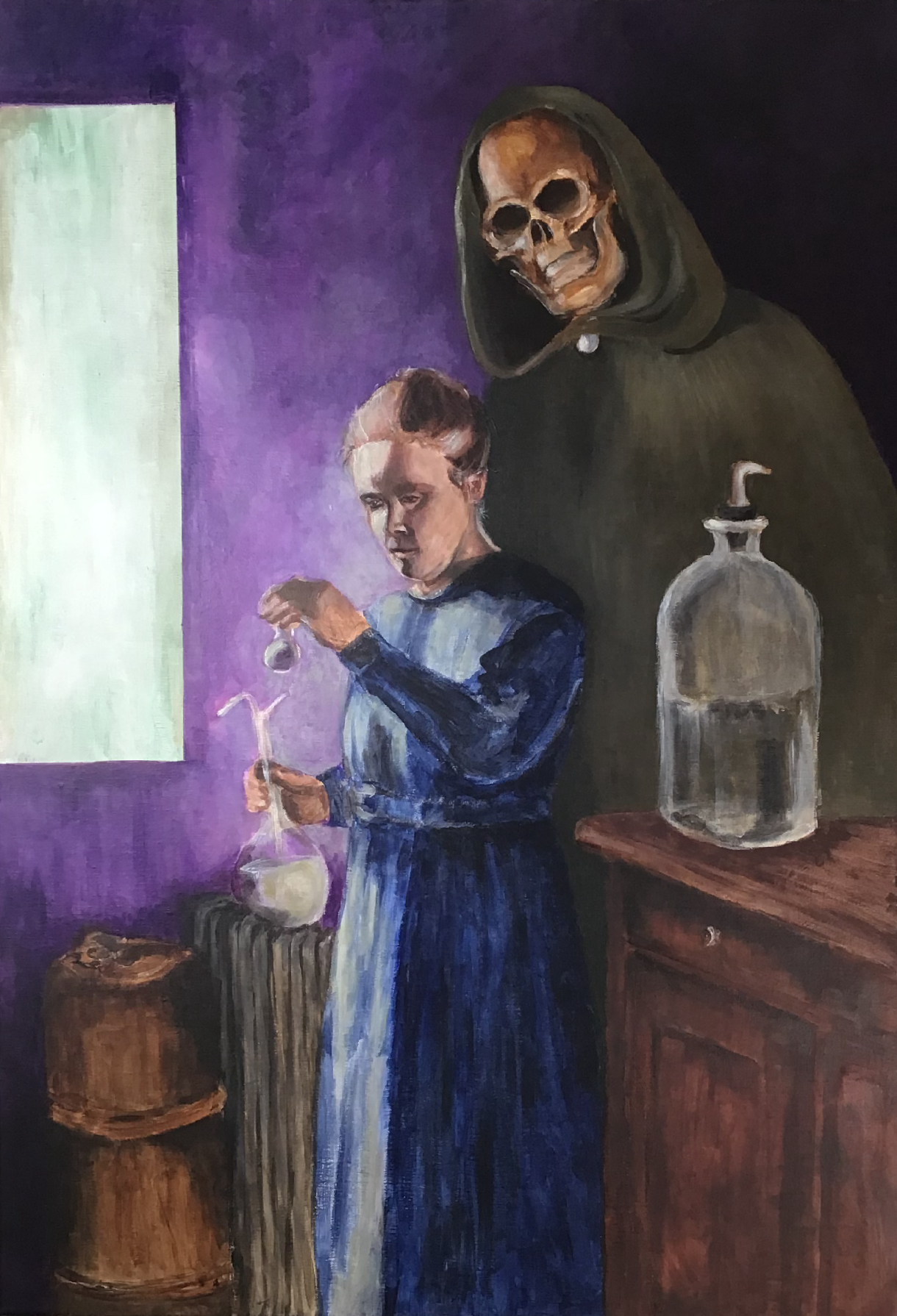
Discovery, Death and Immortality
70 X 100 cms | Acrylic on Canvas
The thrill of discovery grips the mind of the ever-curious scientist. But unknown dangers can often accompany the investigation of the unknown. Marie Salomea Skłodowska–Curie discovered radium and polonium; much of her work has contributed to cancer treatments. Her work that led to radiation exposure over the years was not only the cause of her death by aplastic anaemia but, paradoxically, her immortality as a scientist. Her spirit as an investigator can best be illustrated in her own words:
“Nothing in life is to be feared; it is only to be understood.”
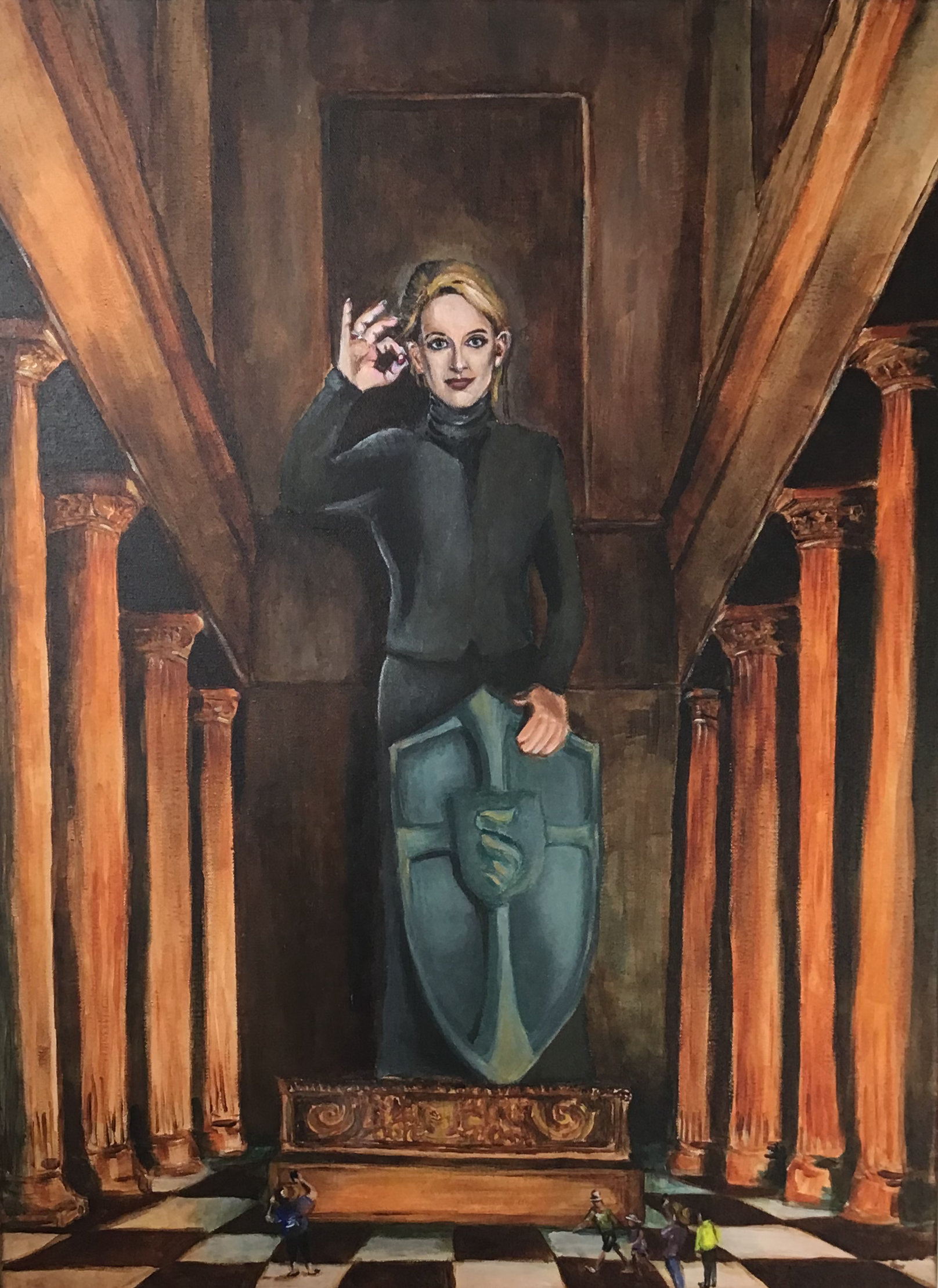
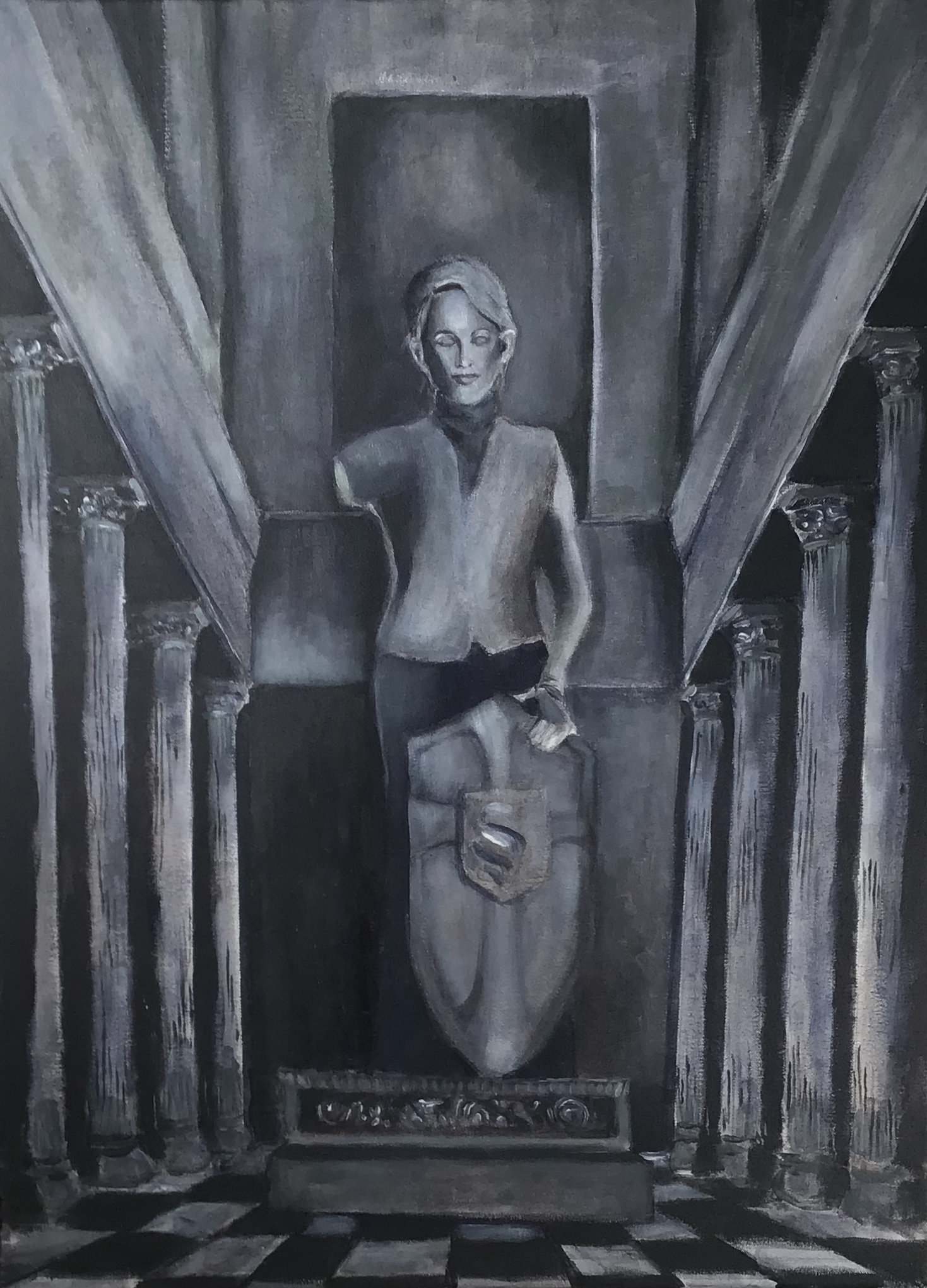
Temporary gods
Diptych 80 X 60 cms each | Acrylic on Canvas
The old gods are dead and long live the new ones. Our need for saviors has yet to disappear in this age of science and rationality. Elizabeth Holmes was one character around whom we build a mythology, propped by influential people and money, narratives and the public imagination. Her lies surfaced, and she faced consequences for defrauding investors. The numerous patients and scientists that suffered from her lies remained unacknowledged. Her glory has faded, and new gods will always emerge as long as we desire idols.